





For investors and expatriates looking to purchase property in Ras Al Khaimah (RAK), one of the first decisions involves understanding the difference between freehold and leasehold ownership. These two legal frameworks define the rights a buyer has over a property and the land it occupies, and they have significant implications for long-term value, control, and investment strategy.
In Ras Al Khaimah, as in other emirates, freehold ownership is permitted for foreigners in designated zones, while leasehold ownership is available in certain areas and under specific agreements.
What Is Freehold Ownership?
Freehold ownership gives the buyer full legal title to the property and the land it sits on. This type of ownership is indefinite and, in RAK’s designated freehold zones, available to foreign nationals without the need for a local partner or sponsor.
Key features:
- Permanent ownership: The property can be passed on to heirs or sold at any time.
- Full control: The owner can renovate, lease, or occupy the property without third-party consent (subject to community rules and planning regulations).
- Eligibility for residency: Properties over a certain value (currently AED 2 million) may qualify the owner for the UAE Golden Visa.
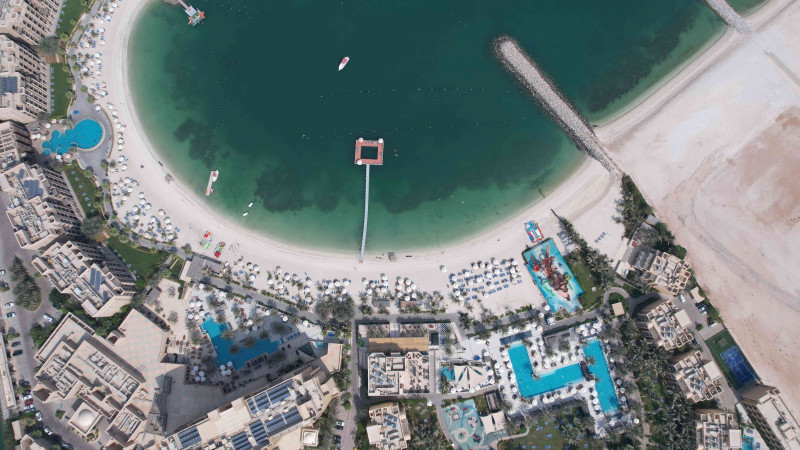
In Ras Al Khaimah, freehold areas include popular waterfront communities such as Al Marjan Island, Mina Al Arab, and Al Hamra Village. These zones were developed specifically with international investors in mind, offering master-planned communities, amenities, and secure legal frameworks.
What Is Leasehold Ownership?
Leasehold ownership, by contrast, grants the buyer the right to use a property for a fixed period—typically between 30 and 99 years—without owning the land it occupies. At the end of the lease term, ownership may revert to the landowner unless the lease is renewed.
Key features:
- Fixed-term rights: The lease outlines the duration of ownership, after which the property may return to the freeholder.
- Use restrictions: Renovations or subletting may require the landlord’s approval.
- Depreciating asset: As the lease term shortens, the property may decline in value unless the lease is extended.
Leasehold ownership is more commonly found in older developments or in government-owned land where long-term leases are granted to institutions or developers for residential use.
Key Differences at a Glance
Feature | Freehold | Leasehold |
|---|---|---|
Ownership duration | Indefinite | Fixed term (30–99 years) |
Land ownership | Included | Not included |
Resale flexibility | Full resale rights | May be subject to restrictions |
Renovation rights | Owner’s discretion (with planning approval) | May require landlord consent |
Long-term value potential | Higher due to permanent ownership | Lower as lease term decreases |
Inheritance | Can be passed to heirs | Subject to lease agreement |
Foreign ownership | Permitted in designated zones | May be subject to additional conditions |
Which Is Better for Investors?
The answer depends on individual objectives.
Freehold is generally preferred by long-term investors, families, and those seeking permanent residency or capital appreciation. The ability to own indefinitely—and sell or rent without third-party permission—offers control and liquidity. Additionally, freehold properties in RAK are relatively affordable compared to Dubai, making them more accessible to a broader range of buyers.
Leasehold may suit short-term buyers, such as retirees looking for a fixed-term residence or investors with a defined horizon. In some cases, leasehold properties are priced lower, providing a lower barrier to entry, though resale and financing options may be limited.
What About Financing?
Most banks in the UAE are more willing to offer mortgages on freehold properties, especially in master-planned communities. Leasehold financing is less common and may come with more restrictions, including shorter loan terms or higher interest rates.
For buyers planning to use bank finance, this consideration alone may steer them toward freehold options.
Market Trends in RAK
Ras Al Khaimah has steadily expanded its freehold zones over the past decade to attract foreign investment. Developments on Al Marjan Island, for example, are designed specifically for international buyers and offer a broad range of units from studios to luxury villas.
Leasehold properties, meanwhile, are generally limited to older neighbourhoods or properties managed under institutional agreements. These units are sometimes available at discounted prices, but may not appeal to buyers seeking long-term control or strong capital gains.
Legal Considerations
Regardless of tenure, buyers in RAK should:
- Verify the property title with the Ras Al Khaimah Municipality or Land Department.
- Understand the terms of any lease agreement, including renewal conditions and maintenance obligations.
- Use a licensed agent and legal advisor to ensure all contracts are valid and compliant with UAE law.
It’s also essential to clarify any service charges or community fees, particularly in leasehold developments where common area maintenance may be the responsibility of the leaseholder.
Conclusion
Freehold and leasehold ownership models offer distinct paths to property investment in Ras Al Khaimah. For most foreign buyers, freehold ownership provides greater control, value retention, and peace of mind—especially when investing in growing waterfront zones or residential communities.
Leasehold may serve specific needs, but it comes with limitations that can affect resale, financing, and long-term planning. Whichever model buyers choose, a clear understanding of legal rights and market dynamics is essential.
As RAK continues to grow in profile and infrastructure, understanding these ownership structures will remain a crucial step for anyone looking to invest confidently in the emirate’s future.