





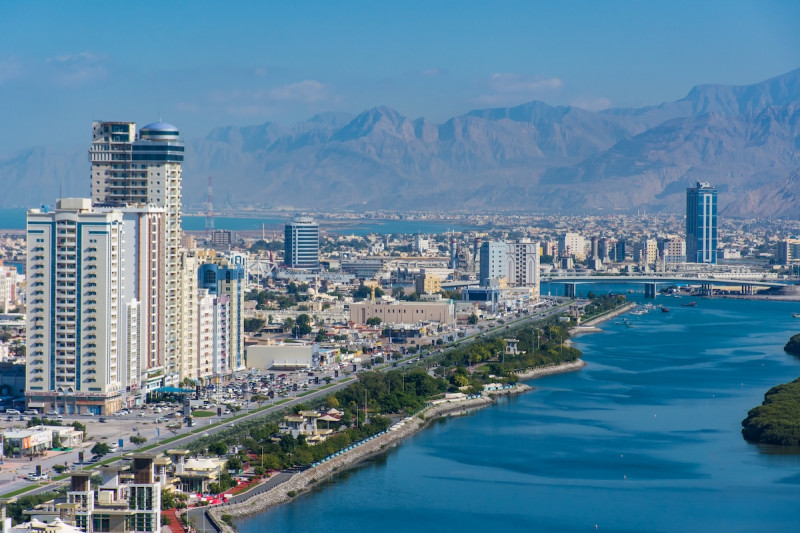
While luxury waterfront villas and resort-style developments often dominate the conversation around Ras Al Khaimah’s real estate market, an equally important story is unfolding in the mid-market and affordable housing segment. With rising demand from working professionals, young families, and long-term expatriates, affordable housing is fast becoming a strategic priority in RAK’s development plans.
Shifting Demographics, Rising Demand
Ras Al Khaimah’s population is growing steadily, supported by the emirate’s industrial expansion, increased tourism activity, and its emergence as a regional lifestyle destination. A significant portion of this population growth is driven by middle-income earners—engineers, teachers, healthcare workers, and administrative professionals—who require reasonably priced, well-located housing.
Many of these residents are seeking alternatives to the more expensive rental markets in Dubai and Abu Dhabi, while still wanting access to amenities, schools, and transport. This demographic shift has created a pressing need for affordable yet high-quality housing in RAK.
Defining 'Affordable' in RAK
In the context of Ras Al Khaimah, ‘affordable housing’ typically refers to properties priced between AED 300,000 and AED 800,000, with rental rates between AED 20,000 and AED 50,000 per annum. These figures vary depending on location, unit size, and access to facilities.
Crucially, affordability in RAK does not necessarily imply low-quality. Several developments are offering mid-market housing with decent build standards, community amenities, and efficient space planning. This trend reflects a growing understanding among developers that affordable housing must also be liveable and sustainable to maintain long-term appeal.
Notable Developments in the Segment
A number of projects in Ras Al Khaimah are catering to the affordable and mid-market demographic:
- Julphar Towers (Nakheel area): These twin towers offer a mix of studios and one- to three-bedroom apartments at accessible price points, located near RAK City’s business and commercial district.
- RAK City fringe developments: Several low-rise apartment blocks near the Emirates Road and RAK Ring Road are being developed with affordability and commuter convenience in mind.
- Worker and staff accommodation near RAKEZ: The economic zone has prompted a wave of purpose-built accommodation to support industrial and logistics workers, many of whom are long-term residents seeking more permanent housing solutions.
Additionally, the expansion of public transport routes and community retail centres in these areas is improving their attractiveness for both residents and investors.
Government Support and Planning Policy
The Ras Al Khaimah government has recognised the importance of housing affordability as part of its broader urban development strategy. Initiatives include:
- Zoning and land allocation for mid-income developments in less congested areas of the city.
- Encouraging private-sector participation by fast-tracking approvals for affordable projects.
- Utilities and infrastructure incentives, reducing development costs and enabling more attractive pricing.
These policies are intended not only to meet demand but to support social cohesion and economic productivity by ensuring that essential workers can live near their places of employment.
Investor Perspective
For investors, the affordable segment offers different dynamics than high-end property:
- Lower capital requirement: Entry prices are more accessible, particularly for first-time investors.
- Higher occupancy rates: Due to strong demand from residents priced out of premium markets.
- Stable rental yields: Though margins are narrower, occupancy and payment consistency can offset this.
However, affordable housing also requires careful due diligence. Units in poorly managed buildings or underdeveloped areas may suffer from high maintenance costs or low resale potential. Location, developer track record, and building upkeep are essential considerations.
Challenges in Delivering Affordable Housing
Despite clear demand, developers face several hurdles:
- Profit margins are tighter than in luxury segments, requiring efficiencies in design, construction, and operations.
- Land costs can be prohibitive unless developers receive incentives or operate in new expansion zones.
- Market perception remains a barrier, with some buyers equating affordability with compromise on quality.
Addressing these challenges requires innovative design, modular construction techniques, and collaboration between public and private stakeholders.
Affordable housing in Ras Al Khaimah is a central component of the emirate’s growth strategy. With a rising population, evolving demographics, and strong government backing, the mid-market segment is poised for steady expansion.
For developers, it offers a path to long-term revenue and social impact. For investors, it provides a chance to enter the market with manageable risk and consistent returns. And for residents, it means the opportunity to live in a well-connected, well-built home without financial strain.
As Ras Al Khaimah continues to evolve, the affordable housing sector will play a critical role in shaping a more inclusive and sustainable urban future.