





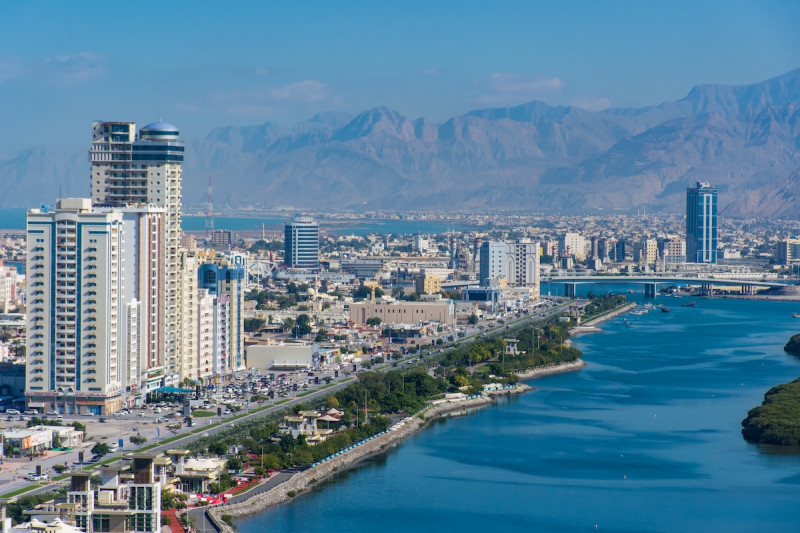
For years, Dubai has dominated the UAE real estate market, drawing global investors with its skyline, lifestyle, and international brand appeal. But as property prices in Dubai continue to rise and yields compress, a growing number of investors are turning their attention to Ras Al Khaimah (RAK) — a smaller, quieter emirate that is rapidly making a name for itself in property circles.
Offering lower entry prices, higher rental yields, and access to the same visa and tax benefits, RAK has become an increasingly attractive alternative for both first-time buyers and experienced investors seeking more value for money.
Comparing Costs: Property Prices and Living Expenses
Perhaps the most immediate difference between the two emirates lies in property pricing. In Dubai, average apartment prices in prime areas range from AED 1,800 to AED 3,000 per square foot, with luxury properties exceeding this. By contrast, similar units in RAK’s key developments — including Al Marjan Island, Mina Al Arab, and Al Hamra Village — are available at AED 800 to AED 1,600 per square foot.
This pricing gap allows investors in RAK to access beachfront properties and spacious villas that would be unaffordable in Dubai, making it especially appealing to families, digital nomads, and retirees looking for more space.
The cost of living also leans in RAK’s favour. According to Numbeo, the average monthly cost for a family of four in RAK is approximately AED 15,778, compared to AED 22,000 in Dubai for a similar lifestyle. Daily expenses such as rent, groceries, school fees, and leisure activities are all significantly more affordable.
Return on Investment: Where the Yields Are Higher
RAK consistently outperforms Dubai in terms of rental yields. In 2024, average gross rental yields in Dubai stood at around 6%, while prime RAK locations such as Yasmin Village and Al Marjan Island achieved yields of 9–11.7%. These figures are particularly compelling for investors focused on generating income rather than relying solely on capital appreciation.
RAK’s strong yield performance is driven by several factors:
- Lower purchase prices: Investors can acquire properties at a fraction of Dubai’s rates, while maintaining similar rental income.
- Tourism growth: The emirate welcomed more than 1.2 million visitors in 2023, a figure expected to rise sharply with the opening of Wynn Resort in 2027.
- Limited supply: RAK’s development pipeline is controlled, avoiding the oversupply issues that have occasionally affected Dubai.
Short-term rental properties in RAK are also gaining traction, particularly around Al Marjan Island, where demand from holidaymakers is increasing. With fewer restrictions than in Dubai and strong occupancy rates during peak tourist months, these properties are generating double-digit returns for owners using platforms such as Airbnb and Booking.com.
Strategic Location and Connectivity
While Dubai’s international reputation is a significant draw, RAK benefits from strategic proximity and improving infrastructure. The emirate is a 45–60 minute drive from Dubai via the E311 or E611 highways, making it accessible for professionals commuting occasionally or families with ties to both cities.
RAK International Airport is undergoing upgrades and is expected to handle more flights, including direct connections to Europe, India, and the wider GCC. The upcoming Etihad Rail project, linking RAK to the UAE’s national railway network, will further enhance mobility and logistics for residents and businesses.
Unlike remote coastal locations in other emirates, RAK offers the convenience of beach living with direct highway access and fast links to urban centres.
Lifestyle Without the Premium
Investors considering RAK are also attracted by its quality of life. The emirate offers many of the same amenities as Dubai — high-end hotels, international schools, golf courses, shopping malls, and waterfront living — but at a lower cost and with less congestion.
Key lifestyle attractions include:
- Jebel Jais: The UAE’s highest peak, home to the world’s longest zipline and a range of hiking and camping spots.
- Al Hamra Golf Club: An 18-hole championship course near the waterfront.
- Beaches and marinas: Including Al Marjan Island, Mina Al Arab, and Flamingo Beach.
- Family-oriented communities: Such as Yasmin Village and Al Hamra Village, with parks, schools, and clinics nearby.
The emirate also boasts a low crime rate and a more relaxed pace of life, making it ideal for expat families, retirees, and professionals seeking a quieter base.
Government Support and Investor Confidence
RAK’s leadership has prioritised economic diversification and real estate development, creating an environment that welcomes foreign investment. Initiatives such as the RAK Central masterplan, the Wynn Resort development, and RAK Vision 2030 demonstrate the government’s long-term commitment to building a sustainable, investor-friendly economy.
In addition:
- Freehold ownership is available to foreign buyers in designated zones such as Al Hamra Village, Mina Al Arab, and Al Marjan Island.
- There is no property tax, no capital gains tax, and no income tax on rental income.
- Investors spending AED 2 million or more may qualify for the UAE Golden Visa, with renewable 10-year residency and family sponsorship.
These advantages are increasingly drawing investors who view RAK as a safer, more stable option amid a competitive regional landscape.
Key Comparison: RAK vs Dubai (2024)
Feature | Ras Al Khaimah | Dubai |
|---|---|---|
Avg. Property Price (sq ft) | AED 800–1,600 | AED 1,800–3,000+ |
Avg. Rental Yield | 6–11.7% | 5–6% |
Cost of Living (Family of 4) | AED 15,778 | AED 22,000 |
Freehold Ownership | Yes | Yes |
Property Tax | None | None |
Golden Visa Threshold | AED 2 million | AED 2 million |
Tourist Arrivals (2023) | 1.2 million | 17 million |
Infrastructure Projects | RAK Central, Wynn Resort, Etihad Rail | Dubai 2040 Masterplan, Expo City |
Final Thoughts
Dubai remains a world-class city with a vibrant property market. But for investors seeking affordability, higher yields, and long-term capital growth in an emerging location, Ras Al Khaimah offers a powerful alternative.
With ambitious infrastructure projects underway, a growing tourism sector, and favourable investment policies, RAK is no longer just a quiet neighbour — it’s becoming a destination of its own. For investors ready to look beyond the skyline, the returns could be significant.
To explore investment opportunities in Ras Al Khaimah or receive personalised guidance, contact Heermand Properties today.