





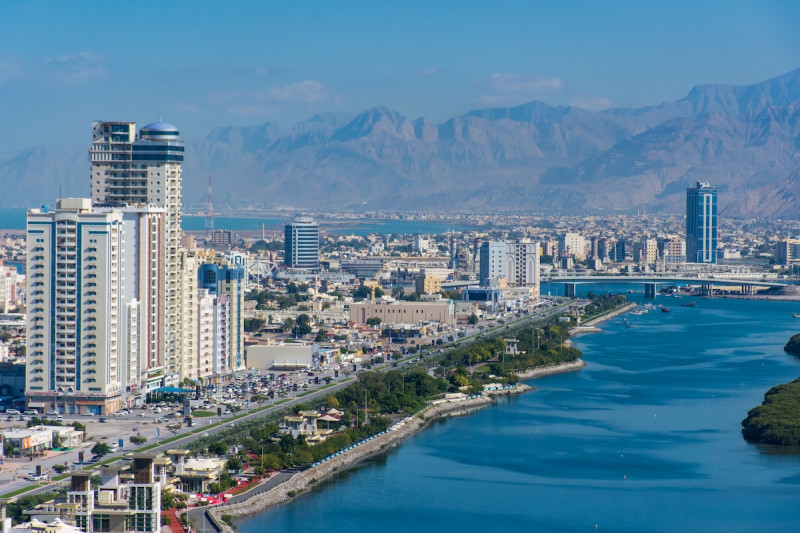
Ras Al Khaimah (RAK) has gained attention as an emerging property investment destination within the UAE. Its competitive pricing, expanding infrastructure, and growing tourism sector present clear opportunities. However, like any market, investing in RAK carries specific risks that buyers should carefully consider alongside potential rewards. Understanding these factors is critical for making informed decisions.
Rewards: Attractive Entry Point and Growth Potential
One of the main attractions of Ras Al Khaimah is its affordability compared to Dubai and Abu Dhabi. Property prices in RAK are generally lower, allowing investors to enter the market with smaller capital outlays while accessing modern developments and amenities. This affordability broadens the appeal to first-time buyers, expatriates, and investors seeking diversification.
The emirate’s ongoing infrastructure projects, tourism growth, and government incentives contribute to positive market fundamentals. Strategic locations such as Al Marjan Island and Mina Al Arab offer properties with strong rental demand and prospects for capital appreciation.
Furthermore, RAK provides freehold ownership in designated areas to foreigners, simplifying the purchase process and offering security of tenure. Competitive rental yields, often higher than in more saturated UAE markets, are an additional incentive.
Risks: Market Maturity and Liquidity
Despite these positives, Ras Al Khaimah’s property market remains relatively young and less liquid than larger emirates. The smaller pool of buyers and investors can mean longer selling times and price sensitivity. Investors should be prepared for potential volatility and fluctuations linked to economic cycles and tourism trends.
The market is also sensitive to external factors such as geopolitical shifts, oil price fluctuations, and global travel disruptions. Such influences can impact demand for both residential and holiday rental properties.
Development and Regulatory Risks
While government initiatives support RAK’s growth, some developments face delays or slow take-up rates, which can affect returns. Buyers should conduct thorough due diligence on projects, developers, and payment plans.
Regulatory frameworks in RAK are evolving and can differ from those in Dubai or Abu Dhabi. Working with experienced local agents and legal advisors is vital to navigate ownership, registration, and taxation matters effectively.
Rental Market Considerations
The rental market in Ras Al Khaimah is closely tied to tourism and expatriate employment. Seasonal demand fluctuations and the concentration of rental properties in specific areas can affect occupancy rates and income stability.
Investors should carefully assess the rental track record of properties and consider management arrangements, especially for holiday lets. Professional property management can mitigate risks related to tenant turnover and maintenance.
Long-Term Outlook
Despite the risks, the long-term outlook for RAK’s property market remains positive. Continued infrastructure investment, increasing visitor numbers, and strategic economic diversification support steady growth.
The emirate’s positioning as a quieter, affordable alternative to Dubai and Abu Dhabi appeals to a growing segment of buyers and tenants, particularly families and retirees.
Investment in Ras Al Khaimah offers a compelling blend of rewards and risks. Lower entry costs, strong growth drivers, and attractive yields create opportunities for well-informed investors. However, market maturity, liquidity constraints, and regulatory nuances require careful consideration.
Prospective buyers should conduct detailed research, seek professional guidance, and align their investment strategies with their risk tolerance and timelines. By balancing these factors, investors can capitalise on Ras Al Khaimah’s emerging property market while managing potential challenges effectively.