





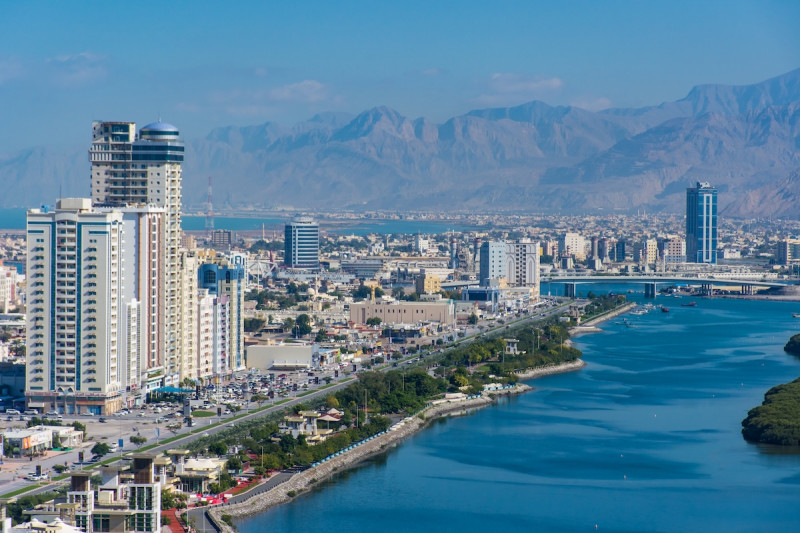
Ras Al Khaimah (RAK) has, over recent years, steadily transitioned from a lesser-known emirate to a rising star in the UAE’s tourism landscape. This growth in tourism is proving to be a vital catalyst in driving the emirate’s real estate market, attracting investors who are increasingly aware of the synergy between tourism expansion and property demand. For buyers, both international and regional, understanding this dynamic is crucial when considering RAK’s property market potential.
Tourism Growth: An Emerging Force
While Dubai and Abu Dhabi often dominate headlines as the primary tourism hubs in the UAE, Ras Al Khaimah offers a compelling alternative — blending natural beauty, cultural authenticity, and burgeoning luxury developments. The emirate boasts diverse attractions including the Hajjar Mountains, rugged desert landscapes, and pristine beaches, which have become focal points for new resort projects and eco-tourism initiatives.
According to Ras Al Khaimah Tourism Development Authority (RAKTDA) data, visitor numbers have grown at an average annual rate of approximately 10% over the past five years. This steady increase is attributed to aggressive marketing campaigns, improved accessibility via expanded airport facilities, and a growing portfolio of luxury hospitality brands establishing properties in the region.
Linking Tourism to Real Estate Demand
The direct impact of tourism on real estate manifests primarily through two avenues: short-term rental demand and second-home purchases. As more tourists seek accommodation beyond traditional hotel stays, serviced apartments and holiday homes have surged in popularity. This trend aligns with the rise of platforms like Airbnb, which enable investors to capitalise on the rental market year-round.
Developments such as Al Marjan Island and Mina Al Arab have been designed with tourism in mind, offering a mix of villas, townhouses, and apartments that cater to both permanent residents and seasonal visitors. The availability of freehold property ownership in these areas further enhances their attractiveness to foreign buyers.
Government Initiatives and Infrastructure Investment
The Ras Al Khaimah government has been proactive in leveraging tourism as a key economic driver. Investments in infrastructure, including the expansion of Ras Al Khaimah International Airport and improvements to road networks connecting to Dubai and Abu Dhabi, have significantly enhanced the emirate’s accessibility.
The government has introduced incentives to promote tourism-related investments and events. International sporting competitions, cultural festivals, and business conferences have all found a growing home in Ras Al Khaimah, attracting visitors throughout the year and helping to mitigate the seasonality that typically affects tourism-dependent markets.
Such initiatives have direct knock-on effects for the property sector. Improved infrastructure not only facilitates easier travel but also raises the profile of the emirate as a viable destination for both leisure and investment.
The Appeal for International Buyers
Ras Al Khaimah offers a comparatively affordable property market relative to Dubai and Abu Dhabi, often with attractive payment plans and competitive rental yields. For international investors, this provides a lower barrier to entry with the potential for solid returns, especially in areas where tourism is flourishing.
Additionally, RAK offers a relaxed lifestyle environment, combining natural landscapes with modern amenities. For many buyers, this represents a quality-of-life upgrade that complements investment ambitions. The option of freehold ownership for foreigners in designated areas simplifies the purchasing process and adds legal clarity, an important consideration for overseas buyers.
Risks and Considerations
While the growth trajectory of tourism and its impact on real estate is promising, buyers should approach the market with due diligence. Tourism-driven markets can be sensitive to external factors such as global travel restrictions, economic downturns, and seasonal fluctuations.
Investors should also consider the long-term sustainability of tourism projects, ensuring developments have strong management and occupancy strategies. Working with experienced local agents, such as Heermand Properties, can provide valuable insights into market cycles and identify properties with genuine rental potential.
Tourism is playing an increasingly significant role in shaping Ras Al Khaimah’s property market, providing a foundation for sustained demand and investment growth. The emirate’s natural attractions, combined with government-led infrastructure projects and a welcoming property ownership framework, position RAK as an appealing alternative to more saturated UAE markets.
For investors seeking a balance of lifestyle benefits and commercial opportunity, understanding the interplay between tourism and real estate in Ras Al Khaimah is essential. As the emirate continues to enhance its tourism offerings, the property market is poised to benefit accordingly, making now an opportune moment to explore investment opportunities in this evolving landscape.